
App Partnerships and Integrations: A Practical Guide for Product Teams
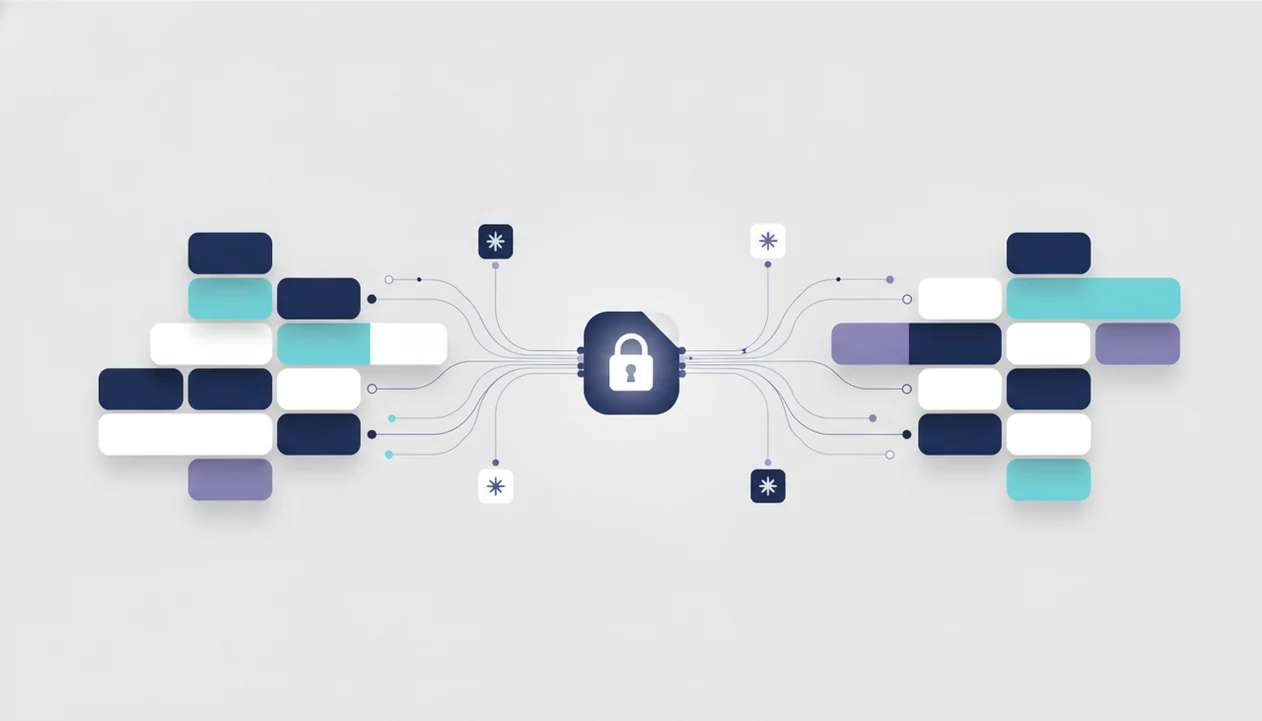
App partnerships integrations connect two software products through both a technical integration and a business relationship, so shared customers can move data, trigger actions, and complete workflows with less manual work. The strongest partnerships solve a specific customer problem, fit both companies’ go-to-market goals, and receive ongoing maintenance after launch.
> Definition: App partnerships and integrations are formal relationships where two apps connect through APIs, embedded workflows, marketplace listings, or data syncs to create mutual customer value.
TL;DR
- The best app integrations are chosen from customer demand, account overlap, technical feasibility, and measurable business value.
- A partnership integration is not finished at launch; it needs documentation, support enablement, co-marketing, monitoring, and roadmap ownership.
- Poorly maintained integrations can create security, privacy, support, and platform-dependency risks that outweigh the growth upside.
App Partnerships Integrations Definition for Product and Growth Teams
App partnerships and integrations are formal relationships where two apps connect through APIs, embedded workflows, marketplace listings, or data syncs to create mutual customer value. A simple API connection moves data; a true partnership integration adds shared positioning, support paths, launch planning, and a reason both teams keep investing.
In practice, the integration is both product functionality and a growth channel. It may appear as an app marketplace listing, a “Works with” badge, an embedded connector, or a partner directory entry. The user benefit is plain: fewer exports, fewer duplicate entries, and fewer handoffs between tools.
The line matters. A founder may ask for “just a connector,” but the product team still has to compare permissions, error states, and customer-facing promises before the release note field gets cramped.
Small wording choices become support tickets.
5 At-a-Glance Facts About App Partnerships and Integrations
- App partnerships combine product and business work. The technical connection moves data or triggers actions, while the partnership defines ownership, launch support, and commercial expectations.
- Shared customers matter more than brand size. Similar ideal customer profiles and adjacent workflows make adoption easier because the joint use case already exists.
- Integrations influence buying decisions. Buyers often check whether a product connects to their CRM, analytics, payments, messaging, or support stack; Okta’s Businesses at Work reports track how deeply companies now rely on multiple SaaS apps across daily workflows: Okta
- Launch is only one checkpoint. Co-marketing, co-selling, support enablement, documentation, monitoring, and maintenance decide whether the integration stays useful.
- Weak integrations create visible damage. Broken syncs, stale setup guides, unclear permissions, and vague support ownership can increase churn risk and hurt reputation.
A good independent guide explains product choices, store surfaces, growth tradeoffs, and shipping constraints, not shortcuts dressed up as app store strategy.
APIs, Webhooks, OAuth, and SaaS Data Flows Behind App Partnerships
App partnership integrations work by moving data and events between systems through APIs, webhooks, OAuth, SDKs, embedded widgets, or iPaaS connectors. The plain version: one app gets permission to read or write specific information in another app, then performs a defined action when something changes.
The technical checklist includes authentication, user consent, scopes, field mapping, event triggers, sync frequency, retry logic, and error handling. A webhook might send a payment event into a CRM. An API may pull account status into a mobile onboarding screen. OAuth decides what the user allowed, and what the integration must never touch.
The business layer sits beside that plumbing. Teams need a shared roadmap, enablement materials, escalation paths, and revenue goals. Gartner has forecast that by 2025, 85% of organizations will be cloud-first, which helps explain why integrations keep showing up in SaaS and mobile app industry planning: Gartner
Fragmented stacks are now normal.
Requirements Before Building App Partnership Integrations
Teams should build app partnership integrations only after they can name the shared customer, the workflow pain, and the evidence of demand. Without that, the work becomes a speculative connector with a maintenance bill attached.
The readiness list is practical: ICP overlap, technical compatibility, API maturity, security review, support capacity, and executive or product-owner sponsorship. Before committing roadmap time, check marketplace searches, sales objections, customer requests, support tickets, and app store positioning. A spreadsheet with partner names is not enough.
One useful exercise is to mark every manual handoff in a customer workflow. In one roadmap review, the highest-value partner was not the loudest enterprise logo. It was the tool customers copied data from every Friday afternoon.
For small teams, one or two high-fit integrations usually beat a broad ecosystem. The same priority logic applies across indie app business models, where focus often matters more than category coverage.
6-Step Product Roadmap for App Partnerships Integrations
Use app partnerships integrations as a roadmap process, not a side request queue. The cleanest teams validate the workflow first, then define scope, launch support, and post-launch ownership.
Set a minimum evidence bar before a partner reaches engineering: for example, 10 qualified customer requests, 3 expansion deals blocked by the missing integration, or account overlap with a named target segment. The exact threshold can vary, but writing it down prevents one loud prospect from becoming the roadmap.
- Map customer workflows and identify where manual handoffs, duplicate entries, exports, or delayed updates happen.
- Rank potential partners by customer overlap, category fit, technical feasibility, marketplace visibility, and revenue potential.
- Validate demand with marketplace waitlists, sales notes, in-app prompts, customer interviews, or account mapping.
- Define the integration scope including permissions, data model, SLA, failure states, support ownership, and security review.
- Launch with enablement through documentation, co-marketing, partner training, sales notes, and success metrics.
- Review after launch by checking usage, failures, churn impact, support tickets, partner-led pipeline, and roadmap fit.
For product teams, one validated workflow is often better than five shallow connectors because it creates a reason for repeat use. We have seen roadmap cards shuffled after user calls when one “nice to have” integration became the blocker for paid expansion.
Tools like Power Themes can help teams separate what the store requires from what marketers recommend, especially when integration positioning touches product and ux.
Partner Selection Criteria for App Integrations
The right integration partner has customer overlap, workflow importance, technical reliability, and a reason to promote the joint solution. A partner with loud demand but weak API support can still become risky because every outage lands in your support queue.
| Selection factor | High-fit partner | Low-fit partner |
|---|---|---|
| Customer overlap | Same buyer, similar user, shared accounts | Different buyer with little account overlap |
| Workflow importance | Daily or weekly workflow dependency | Occasional convenience use |
| API quality | Stable docs, versioning, rate limits, sandbox | Unclear docs, surprise changes, weak test tools |
| Security posture | Clear scopes, audit support, data retention rules | Broad permissions and vague deletion paths |
| Support alignment | Named escalation path and trained teams | “Email us if anything breaks” |
| Co-selling potential | Shared demos, account mapping, marketplace listing | No sales motion or partner owner |
| Marketplace visibility | Searchable listing and clear category fit | Hidden connector with no demand signal |
Partner selection affects competitive positioning in RFPs, app stores, and customer evaluations. It also shapes how your product is compared inside app store categories.
Common App Integration Partnership Mistakes
The most common mistake is treating app partnership integrations as Zapier-style hookups or isolated API calls. A connector may move data, but a partnership needs positioning, enablement, support ownership, and a maintenance plan.
For lightweight automation, compare Zapier, Make, Workato, or Tray.io before committing to a native partner build; a native integration should earn its maintenance cost with deeper workflow value, marketplace visibility, or strategic account impact.
Shipping without co-marketing, sales enablement, and support training limits adoption. Sales teams do not mention what they cannot explain. Support teams cannot troubleshoot permissions they have never seen. The Play Console pre-launch report screenshot with red accessibility and crash markers has a cousin here: the integration health dashboard nobody opened before launch.
Other mistakes are quieter. Teams build for low-overlap partners, write vague use cases, forget documentation updates, miss partner API changes, or ignore privacy risk. Under-maintenance turns a launch win into a churn reason.
No connector rescues weak product-market fit. Integrations amplify useful products, but they rarely create demand where the core workflow is not valued.
Success Metrics for App Partnerships and Integrations
Measure app partnerships integrations with separate product health and go-to-market metrics. Product health shows whether the integration works; go-to-market metrics show whether the partnership creates adoption, retention, or revenue.
Product teams should track activation rate, connected accounts, repeat usage, sync success rate, error rate, permission failures, support tickets, and cohort behavior before and after adoption. Growth and revenue teams should track expansion revenue, partner-sourced pipeline, co-sold deals, marketplace conversion, and influenced renewals.
The hard part is attribution. Ecosystem revenue is often loosely defined, and partner-sourced deals may be self-reported by whichever team wants credit. Keep the definition boring. Write it down before launch.
A staged rollout percentage highlighted in yellow can be useful here. Start with a small account set, review failure logs, then expand only when the support queue stays quiet. Maintain, improve, sunset, or expand the integration based on usage, reliability, customer value, and partner commitment.
Evidence and Source Notes for App Partnership Integrations
The evidence case for app partnership integrations is strongest on direction, not universal benchmarks. Cloud adoption and SaaS sprawl explain why customers expect connected workflows, while security guidance supports narrower permissions, explicit consent, and data minimization.
Use the recommendations here as a blend of external signals and product practice. The demand argument leans on public SaaS and cloud research already cited above; the roadmap, partner-selection, rollout, and enablement guidance comes mostly from product operating patterns seen across B2B software teams. OAuth scope review, consent screens, retention limits, and least-privilege access are not growth hacks. They are baseline security habits that reduce surprise data exposure when two systems start talking.
- Separate evidence types by labeling customer requests, sales blockers, marketplace demand, and analyst or platform research differently.
- Validate product bets with account overlap, interviews, support tickets, and usage logs before calling a partner strategic.
- Review permissions so the integration asks only for the fields and actions needed for the promised workflow.
- Qualify benchmarks because activation, partner-sourced revenue, and retention lift vary heavily by category, deal size, and reporting discipline.
- Treat self-reported metrics carefully when partner teams, sales teams, or marketplaces can all claim influence over the same deal.
Limitations
App partnerships integrations can create more cost than value when the use case is weak, the partner is unstable, or the maintenance owner is unclear. Treat each integration like a shipped product surface, not a campaign asset.
- Building and maintaining integrations requires engineering time, QA, documentation, monitoring, security reviews, and partner coordination.
- Partner API, pricing, policy, or roadmap changes can break customer workflows with little warning.
- Some integrations create one-sided value, which weakens long-term partner motivation.
- Poor integrations increase support burden and can damage user trust faster than a missing feature.
- Security, privacy, data retention, and permission mistakes can create compliance exposure.
- ROI is difficult to benchmark because partner-sourced revenue and ecosystem influence are often self-reported.
- Integrations amplify a useful product, but they rarely rescue a product without real demand.
- Mobile teams also need to compare metadata, privacy labels, and store promises before turning an integration into a conversion surface.
Power Themes covers related mobile app market trends for teams that need broader context before building an ecosystem bet.
FAQ
What is an integration partnership?
An integration partnership is a formal relationship where two software companies connect their products and coordinate around shared customer value. It includes both the technical integration and the business agreement behind it.
What is an app integration?
An app integration lets one app exchange data with another app or trigger actions in another system. Common methods include APIs, webhooks, SDKs, OAuth, embedded connectors, and integration platforms.
Why do app partnerships matter for software teams?
App partnerships can improve product utility, retention, sales conversion, and customer expansion. They matter most when the connected workflow is already important to shared users.
What is an integration partner?
An integration partner is another software company whose product connects with yours to serve a shared customer workflow. The partner may also support co-marketing, co-selling, documentation, and support escalation.
How do apps share data securely?
Apps share data securely by using authenticated APIs, webhooks, OAuth permissions, SDKs, embedded connectors, or managed integration platforms. Teams should limit scopes, document data retention, and monitor failures.
Can integrations become a growth channel?
Yes, integrations can become a growth channel through marketplace listings, partner demos, co-selling, and shared customer bases. Growth depends on real demand, clear positioning, and ongoing partner support.
Which integrations should product teams build first?
Product teams should build integrations with strong customer demand, important workflow value, technical feasibility, and partner alignment. Low-overlap connectors should wait, even if they are easy to build.
When should an app integration be sunset?
An app integration should be sunset when usage is low, support burden is high, security risk increases, or the partner no longer supports the workflow. Teams should notify customers and provide migration guidance.